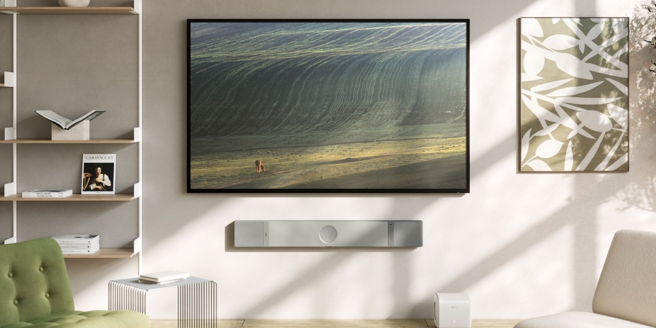
This guide explains how spatial audio works and how it can help you create the best audio environment for your needs.
Defining What Spatial Audio is
Under this umbrella sit various specific formats that deliver the actual audio data, such as Dolby Atmos and DTS:X. While these formats are the "language" the audio speaks, Spatial Audio is the experience itself. This shift has become increasingly relevant as streaming platforms, gaming, and high-quality home audio setups move toward a more lifelike representation of sound, elevating the emotional impact and realism of everything we hear.
How Spatial Audio Works
Filmmakers and sound designers can precisely place and move these objects anywhere within a hemispherical space, including directly overhead. This metadata is then interpreted by your system, which renders the sound dynamically across your speakers. The result is an enveloping dome of sound that replicates the natural way we perceive audio.
The Main Types of Spatial Audio Formats
Dolby Atmos
DTS:X
What You Need to Experience Spatial Audio at Home
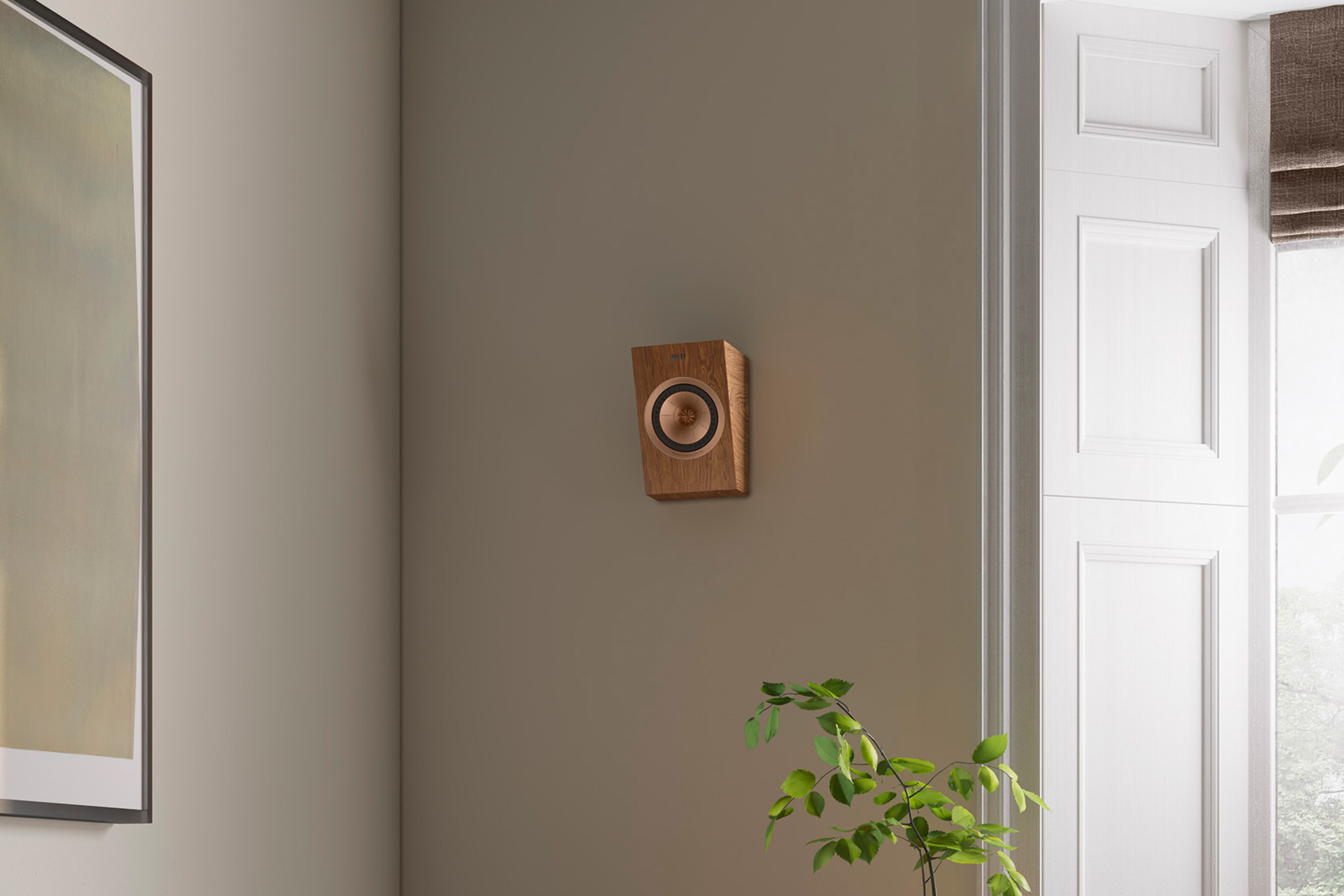
The system configuration dictates the quality of the experience. Whether using discrete height speakers or advanced digital signal processing (DSP), the goal is to ensure that audio objects are accurately mapped to your physical environment.
Spatial Audio and KEF Speakers
Our focus is on precise imaging and wide dispersion, ensuring that as a sound "object" moves across the room, it remains clear and consistent. This level of acoustic integrity is what transforms a standard spatial track into a tangible, breathtaking atmosphere.
KEF Products & Spatial Audio Compatibility
Home Theatre Speaker Systems
For a fully integrated, no-compromise solution, we also recommend our architectural speaker range. These THX-certified in-wall and in-ceiling speakers let you build a discreet yet powerful theatre system that delivers the full impact of spatial audio without intruding on your living space.
Soundbars
Why Spatial Audio Matters
Understanding Spatial Audio in general enables you to select the technology and audio equipment that best aligns with your listening preferences and environment.
For more expertise and tips, explore the KEF blog.
Find My Retailer
Find out more about our award-winning models and book a demo at your nearest KEF retailer.
Are the KEF Coda W speakers completely wireless?
The 'wireless' in Coda W refers to how you play your music; you can stream audio wirelessly from your phone, tablet, or computer via Bluetooth. However, the speakers do require two physical connections: an interspeaker cable to link the primary and secondary speakers together, and a power cable to be plugged into a wall outlet. This design ensures they have consistent power and a perfectly stable connection to deliver the best possible high-fidelity sound.
What makes the Coda W the best speaker for vinyl players?
Coda W is the perfect partner for a turntable because it's a complete, high-performance audio system in one. The key feature for vinyl lovers is the built-in phono preamp, which allows you to connect most turntables directly to the speakers without needing an extra box. Because they are active speakers, you also don't need a separate amplifier. This creates a simple, elegant setup that delivers the warm, detailed, and authentic analogue sound you love, with modern convenience.
What is Bluetooth® 5.4 with aptX™ Lossless, and how does it improve my music?
This is the next generation of wireless audio, designed to deliver the highest possible sound quality over Bluetooth. Unlike standard Bluetooth which compresses music, aptX™ Lossless can stream music at true CD-quality, meaning you hear every single detail of the original recording without any data being lost. Combined with the stability and efficiency of Bluetooth 5.4, it means you get the freedom and convenience of a wireless connection with the stunning, high-fidelity sound you'd expect from a physical cable.
Reminder: Ensure your source device is compatible with the codec to experience true CD-quality audio.